
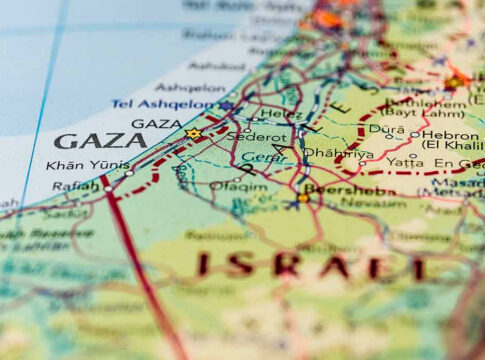
Hamas just “gave up” its Gaza government on paper, but kept its guns, its guards, and much of its power, raising real questions about who this move is meant to impress — and who, if anyone, it will actually help.
Story Snapshot
- Hamas says it has dissolved its civilian government in Gaza as part of a Trump-backed peace plan and is ready to hand power to a technocratic committee.
- Israel and many media voices call the move a stunt, noting Hamas has not agreed to disarm or give up control of security forces.
- A new “Board of Peace,” led by Donald Trump, is supposed to oversee disarmament and an international security force, but its members and enforcement power remain unclear.
- Ordinary Gazans still live under airstrikes, blockades, and factional control, showing that paper changes at the top have not yet changed life on the ground.
What Hamas Says It Is Doing in Gaza
Hamas leaders announced that they are dissolving all government bodies that have run Gaza for almost twenty years and will hand their duties to an independent technocratic committee. Hamas spokesman Hazem Qassem said the group made a “clear decision” to end its government entities and transfer responsibilities to this new committee, which is being formed with other Palestinian factions. On his Telegram channel, Qassem pushed for the committee to be set up quickly, saying Hamas is ready to move once it exists under the agreed peace plan.
The planned committee is described as “technocratic,” meaning it is supposed to be made up of non-partisan experts rather than party politicians. Hamas and the rival Palestinian Authority, which is seen internationally as the official representative of Palestinians, have not yet shared the names of these experts. Reports say it is also unclear whether Israel or the United States will approve whoever is chosen, which is key because both countries still control much of what enters or leaves Gaza.
The Trump-Led ‘Board of Peace’ and the Ceasefire Plan
This government change is part of a United States–brokered ceasefire deal that took effect in October, under which fighting was supposed to slow and a new order would take shape in Gaza. The agreement created an international “Board of Peace” led by President Donald Trump, charged with supervising the new committee and key steps like Hamas disarmament and the arrival of an outside security force. Trump has said this board would also help oversee Israeli troop withdrawals and support rebuilding Gaza’s shattered homes and roads.
So far, however, no public list of board members has been given, and there is little detail about how this body would force any side to obey the deal. For many Americans across the political spectrum, this fuels a familiar worry: yet another international panel is being set up, yet another layer of officials will fly to meetings, but no one clearly answers who is accountable when promises are broken and ordinary people still suffer. This mirrors long-running anger in the United States that elites design peace plans and then walk away when they fail.
Why Israel and Many Observers Call It a ‘Stunt’
Israeli officials quickly dismissed Hamas’s announcement, calling it a “ploy” and a “stunt” with “no significance” because Hamas has not agreed to disarm. One senior Israeli source said the group still controls security and weapons, so any claim of stepping back from rule is only a media move. This matches a pattern since 2005, when state actors like Israel demanded concrete surrender of weapons before recognizing changes in how militant movements claimed to govern.
Reports also note that Hamas plans to keep overseeing policing and security in areas it still holds, even as it talks about dissolving its civilian government. That means the same armed movement still decides who gets arrested, who can protest, and who controls smuggling routes and border points, which carry big money and power. Israel has also blocked members of the new technocratic committee from entering Gaza, making a real transfer of authority almost impossible unless that policy changes.
Symbolic Moves, Real Frustration
For Gazans trapped between Hamas, Israel, and this new peace architecture, daily life has not changed much since the announcement. Airstrikes, drone patrols, and severe limits on fuel, food, and medicine continue, while political factions argue over committees and boards. This gap between big speeches and ground reality looks familiar to many Americans who feel that Washington politicians say the right words about border security, inflation, or crime, but fail to deliver real relief.
#ICYMI Hamas on Monday announced the dissolution of the Government Emergency Committee in Gaza and the transfer of the administration of the Gaza Strip to a Palestinian technocratic committee.#AWANInews #AWANIinternationalhttps://t.co/doIMwhDnbM
— Astro AWANI (@501Awani) July 7, 2026
Experts point out that Hamas has used similar tactics before, reshuffling or renaming government bodies to gain political leverage without surrendering its armed wing. On the other side, Israel has often treated such steps as pure “spin” unless backed by verified disarmament, as seen in past Gaza ceasefires that collapsed when weapons stayed in militant hands. For readers on both the left and right who distrust the “deep state,” the Gaza story feels like a distant echo of their own worry: powerful players make moves mainly to manage pressure and headlines, not to fix the core problem.
What To Watch Next: Actions, Not Announcements
The key question now is whether any neutral force will check what is really changing in Gaza, not just what is written in press releases. Some have called for United Nations monitors to confirm if Hamas truly steps back from policing and whether the technocratic committee ever gains real control over budgets, borders, and guns. The Board of Peace has stressed that it will judge this process by “actions, not promises,” especially when it comes to who holds weapons.
For Americans tired of wars that never end and peace talks that never deliver, this moment is another test of whether global leaders will break their old habits. If Hamas keeps its weapons and Israel keeps blocking new leaders from entering Gaza, then this “dissolution” will join a long list of symbolic moves that changed titles but not lives. If, against the odds, armed groups truly stand down and civilians gain honest control, it could mark a rare case where pressure from below finally forces elites to match their words with deeds.
Sources:
redstate.com, upi.com, cnn.com, youtube.com, middleeasteye.net, abc.net.au, aljazeera.com, facebook.com