
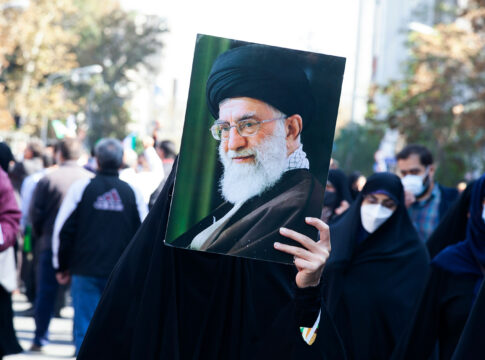
Iran’s rulers are turning Ayatollah Ali Khamenei’s massive funeral into a global show of strength, even as many Iranians say the grief on display is anything but fully voluntary.
Story Snapshot
- Huge crowds in Tehran mark the start of a six-day funeral for Ayatollah Ali Khamenei, killed in a United States–Israeli strike.
- Iranian officials claim tens of millions may attend, using the funeral to project the Islamic Republic’s power and unity.
- Opposition outlets describe forced attendance, business closures, and pressure on charities, raising doubts about how “voluntary” the crowds are.
- Chants of “Death to America” and calls for revenge turn the funeral into a warning aimed at Washington, Israel, and Iran’s internal critics.
Tehran Funeral Opens With Huge Crowds and a Clear Message
On July 4, vast crowds packed Tehran’s main mosques and streets as Iran began a six-day funeral for slain Supreme Leader Ayatollah Ali Khamenei. State television showed mourners dressed in black around the Imam Khomeini Grand Mosalla, filing past his casket and chanting against the United States and Israel. Reporters from several outlets described throngs so dense that people spilled into nearby roads and squares, turning central Tehran into a sea of flags, portraits, and banners.
Officials promoted the turnout as proof that the Islamic Republic remains strong and united despite the strike that killed its top leader.
Regime Uses Funeral to Project Strength at Home and Abroad
Iranian authorities say as many as 20 million people could join funeral events over six days, including delegations from more than 100 countries. The procession is set to move from Tehran to major religious centers, stopping at revered Shia shrines and ending with burial in Mashhad. That route ties Khamenei’s legacy to Iran’s sacred geography and signals continuity of the system he led for decades. State media frame the crowds as a “show of strength” meant to reassure loyalists and warn foreign enemies that public support for the Islamic Republic endures.
Coercion Allegations Raise Questions About Genuine Public Support
While television cameras highlight packed squares, opposition outlet Iran International reports many Iranians were ordered to attend. Public-sector workers describe “mandatory attendance,” with leave canceled and staff told to show up at official mourning sites or risk trouble at work. Business owners say they were warned to shut their doors during key ceremonies; some reported visits from members of the Basij militia who threatened to seal shops that stayed open. Local charities were summoned and told to provide food and services for the funeral or face disruption of their operations.
Funeral Follows a Long Pattern of State-Managed Mass Mourning
The debate over whether today’s crowds are heartfelt or forced fits a pattern seen in past Iranian funerals. In 1989, official estimates claimed more than 10 million people stood along the route for Ayatollah Ruhollah Khomeini’s burial, though Western agencies thought the real number was much lower. More recently, huge crowds turned out for General Qasem Soleimani’s funeral, mixing real anger at the United States with heavy government mobilization. Scholars note that authoritarian systems often rely on giant, emotional gatherings to signal resilience and scare off both foreign rivals and domestic opposition.
Mixed Emotions Inside Iran: Grief, Anger, and Quiet Relief
Reports after Khamenei’s death showed a split country, with some mourning publicly and others quietly celebrating. State media announced forty days of mourning and several public holidays, pushing a narrative of unity and martyrdom. At the same time, videos verified by international outlets captured smaller groups of Iranians cheering the news, honking car horns, and destroying regime monuments in several cities. That mix of grief and relief suggests that today’s massive funeral may hide deep anger over years of repression, economic hardship, and corruption that many Americans also see in their own leaders.
Funeral Becomes a Stage for Anti-American Fury and Geopolitical Theater
Chants of “Death to America” and “Death to Israel” echo through the funeral crowds, tying Khamenei’s death directly to demands for revenge. Some mourners carry red flags, a Shia symbol of vengeance, and speakers vow that the Islamic Republic will strike back at those they blame for the assassination. The timing of the funeral’s start on July 4—the United States Independence Day—adds another layer, as analysts see it as a deliberate attempt to counter American symbolism with revolutionary defiance. For many watching abroad, the event looks less like pure mourning and more like a carefully staged warning shot in a larger struggle.
Why This Matters for Americans Fed Up With Their Own “Elites”
For Americans who feel both parties in Washington serve the powerful first, this funeral highlights how rulers everywhere use crowds and emotion to hold on to control. Iran’s leaders are betting that images of millions in the streets will force the United States to tread carefully in talks, even though some of those people may be there under pressure. That same tactic—big stage-managed displays to claim “the people are with us”—shows up in many countries, including democracies where anger over debt, inflation, and unfair systems keeps growing. Watching Tehran’s funeral reminds us to ask hard questions whenever politicians point to carefully curated scenes to prove they speak for everyone.
Thousands of mourners gathered at Imam Khomeini Mosalla in Tehran to bid a final farewell to the martyred leader of the Ummah, Shaheed Imam Khamenei, during his funeral ceremony. #WeMustRise pic.twitter.com/HYxxCeaGK2
— Akbar Ali 🇮🇳| اکبرعلی کرکتی | ཨག་བཱར་ཨཱ་ལི། (@akbaraliKarkiti) July 4, 2026
Those huge crowds do mean something: they show that, under fear or faith, many Iranians still move when the state calls. But they also reveal how fragile real consent is when a government can force workers and businesses to participate in its story. For Americans on both the left and the right who now agree that elites are failing them, Iran’s display is a warning about what happens when anger goes unanswered and power stops listening.
Sources:
theamericanconservative.com, standardmedia.co.ke, nbcnews.com, bbc.com, wsj.com, npr.org, nytimes.com, aljazeera.com, youtube.com, facebook.com, hawaii.edu