
Shigeaki Mori, a Hiroshima atomic bomb survivor who dedicated 50 years to honoring 12 forgotten American POWs killed in the U.S. bombing he survived, has passed away at 88—leaving a legacy of truth that even transcends wartime divides.
Mori’s Survival and Lifelong Mission
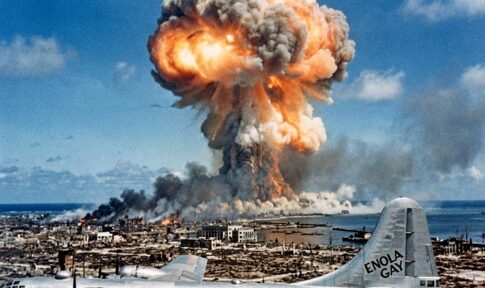
On August 6, 1945, the U.S. B-29 Enola Gay dropped the “Little Boy” atomic bomb over Hiroshima, killing about 140,000 by year’s end. Shigeaki Mori, then 8 years old and 1.5 miles from the hypocenter, survived the devastation. Days earlier, on July 28, Japanese forces had shot down B-29s, capturing 12 American airmen held in the city. These POWs perished in the blast, their stories buried post-war by both governments to avoid controversy. Mori, shocked by this hidden truth, vowed to honor them as fellow humans.
Decades of Research Against Official Silence
In the 1960s and 1970s, a university professor handed Mori a list of the airmen from Japanese archives. He verified their fates through declassified U.S. documents and contacted families, providing long-sought closure. Governments had omitted the POWs from histories—Mori called out “so many mistakes”—to sidestep questions about the bombing’s knowledge of their presence. His independent work as a company employee pierced this veil, embodying persistence over bureaucracy. This aligns with conservative values of individual initiative uncovering truth suppressed by elites.
Book, Recognition, and Memorial Legacy
Mori published his findings in 2008 as *A Secret History of U.S. Servicemembers Who Died in Atomic Bomb*, earning the Kikuchi Kan Prize. He erected a memorial for the airmen in Hiroshima Peace Memorial Park, symbolizing anti-war reconciliation. In 2016, President Barack Obama, on his historic Hiroshima visit—the first by a sitting U.S. president—named the 12 Americans in his speech and embraced Mori. This moment elevated Mori’s quest globally, reminding us war’s victims demand remembrance beyond politics.
Passing Marks End of a Bridge-Builder’s Era
Shigeaki Mori died March 14, 2026, at a Hiroshima hospital, confirmed by Japanese media and his book’s editors. Obituaries from March 17-19 highlighted his anti-war message: “War deprives people of everything… never repeat the mistake.” His efforts advanced military history accuracy and U.S.-Japan ties, offering families closure and setting a precedent for cross-national WWII truth-seeking. Today, under President Trump’s focus on strong alliances, Mori’s story reinforces honoring American heroes while pursuing peace through strength.
Mori viewed the airmen not as enemies but humans, a lesson in humanity amid total war’s necessities. His legacy endures in publications, the park memorial, and renewed focus on these forgotten patriots, ensuring their sacrifice stands uncensored.
Sources:
Hiroshima survivor who spent decades investigating American POW deaths dies at 88
Hiroshima survivor who spent decades investigating American POW deaths dies at 88
Shigeaki Mori, Hiroshima atomic bomb survivor and historian embraced by Obama, dies at 88
Shigeaki Mori, Hiroshima atomic bomb survivor and historian embraced by Obama, dies at 88
Hiroshima survivor who brought attention to atomic bomb’s American victims dies
Shigeaki Mori, Hiroshima atomic bomb survivor embraced by Obama, dies at 88