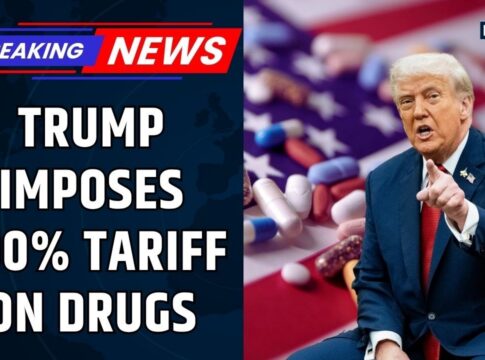
The Trump administration announced a new tariff system Thursday that slaps a massive 100% tax on patented medicines entering the United States—but pharmaceutical companies can escape the fees by cutting deals directly with the White House. The move marks the administration’s latest use of tariff threats to force corporate compliance with its manufacturing and pricing demands.
The Deal or Pay Framework
Under the new policy, drug makers face a brutal choice: relocate manufacturing to American soil or negotiate pricing agreements with federal health programs. Companies committing to launch new U.S. factories before January 2029 will see tariffs drop to just 20%. The levy disappears entirely if firms agree to sell medicines to government programs like Medicaid at prices matching certain foreign markets. Generic drugs, which account for most American prescriptions, remain exempt from the tariffs entirely.
Major Players Already Cutting Deals
The tariff threat appears largely symbolic at this stage, as many pharmaceutical giants have already struck agreements to avoid the penalties. The White House announced that existing trade deals with Europe, Switzerland, the United Kingdom, South Korea, and Japan will honor previously negotiated lower rates. Britain agreed to pay higher prices for National Health Service medications in exchange for three years of zero tariffs on British-made pharmaceuticals. Large companies now have 120 days to finalize arrangements, while smaller firms get 180 days.
Winners and Losers
The administration claims tariff threats have already triggered $400 billion in promised pharmaceutical investments on American soil. But experts warn the policy could backfire. Richard Frank from the Brookings Institution noted that U.S. manufacturing typically costs more, potentially driving up prices despite any negotiated savings. Smaller companies without the resources to relocate factories or negotiate complex deals face the most risk. The reduced tariff rates expire when Trump’s term ends in January 2029, creating uncertainty about long-term investment decisions.
What This Means
Sean Sullivan, a professor at the University of Washington and London School of Economics, called the strategy pure leverage politics designed to bring holdout companies to the negotiating table. The White House separately adjusted steel, aluminum, and copper tariffs to exempt items without significant metal content. Whether the pharmaceutical tariffs ultimately reduce costs for American consumers or simply redistribute corporate profits remains unclear as companies scramble to cut deals before deadlines expire.