
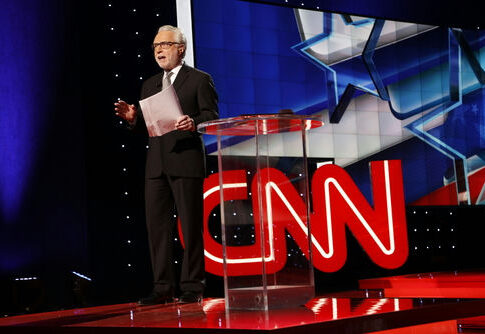
A new media fight is turning into a bigger question about free speech and newsroom power.
Quick Take
- The plaintiff says CNN blocked debate commentary and then forced a lawsuit.
- The only direct source for that claim is the plaintiff’s own short video statement.
- Similar lawsuits against CNN have failed when courts found the challenged remarks were opinion.
- There is no public court filing, case number, or jurisdiction in the research package.
What the Plaintiff Claims
The case begins with a short video titled “Why I Sued CNN,” where the plaintiff says CNN unlawfully stopped them from commenting on the presidential debate[1]. The plaintiff also calls that restraint “un-American” and says it violated a basic right to speak about a live political event[1]. That is the core claim. But the research packet does not include a complaint, docket entry, or any court paper that confirms where the suit was filed.
That gap matters because the public record is thin. The material provided does not show a judge, a case number, or a filing date. It also does not show what CNN allegedly did to block the commentary. The research says there is no contemporaneous reporting, no witness account, and no video evidence proving CNN deleted, removed, or stopped the speech. So at this stage, the claim rests on the plaintiff’s own statement alone[1].
Why the Legal Theory Faces Headwinds
The strongest pushback comes from the way courts handle media disputes. Federal courts have repeatedly tossed similar cases against CNN when the challenged statements were treated as opinion rather than factual claims[4][5][7]. Reuters reported that Donald Trump’s $475 million defamation suit against CNN was dismissed after the court found the network’s remarks were not the kind of factual assertions that can support defamation[4]. Other reports say later appeals reached the same result[5][6].
That history does not decide this dispute by itself. The plaintiff here is not arguing the same exact theory, because the claim centers on alleged interference with commentary rather than a classic defamation charge. Even so, the past rulings show how hard it is to turn anger at CNN into a winning federal case. Courts generally protect opinion, and public figures or political commentators face a high bar when they accuse major media outlets of wrongdoing[7].
Why This Story Is Bigger Than One Lawsuit
This dispute fits a wider pattern of high-stakes media litigation. Recent reporting shows Trump and his allies have kept pressing lawsuits against major outlets, including CNN, the New York Times, and others[2][3][7]. Legal observers say these cases often end up testing press freedom, not just the merits of one complaint[3][21]. For readers who are tired of media bias, that pattern cuts both ways: it exposes aggressive newsroom power, but it also shows how hard it is to prove legal harm.
For now, the central facts are narrow. The plaintiff says CNN crossed a line. CNN has not publicly answered this specific claim in the research packet. And the evidence provided does not yet show the court record needed to judge the case on its merits[1]. Until that filing appears, the story is less about a proven legal victory and more about another fight over who gets to speak, who gets to control the narrative, and whether a media giant really can be held to account.
Sources:
[2] Web – CNN sues Perplexity, alleging unlawful distribution of copyrighted …
[3] Web – CNN Suit Is an Important and Necessary Defense of Press Freedom
[4] Web – Trump’s $475 million ‘big lie’ defamation lawsuit against CNN …
[5] Web – Appeals court panel rejects Trump’s ‘Big Lie’ defamation lawsuit …
[6] Web – President Trump’s defamation suit against CNN dismissed again
[7] Web – Trump’s defamation suit against CNN gives new meaning to flimsy
[21] Web – Why aren’t there more defamation cases against the press? – Reddit